Best Time to Visit South Africa for a Safari: A Seasonal Guide
South Africa is one of the few destinations where an exceptional safari can be combined with cosmopolitan cities, dramatic coastlines, award-winning vineyards and beautiful mountain scenery. However, deciding when to travel can feel complicated. Is winter really the best season for wildlife? When should you visit Cape Town? And is there a time of year that allows you to enjoy both?
The best time to visit South Africa for a safari depends on what you most want to experience. The dry winter months generally offer the easiest wildlife viewing in the northern safari regions, while the greener summer months bring dramatic landscapes, migratory birds and newborn animals. Cape Town and the Garden Route follow different seasonal patterns, which is why a carefully planned itinerary can make such a difference.
This guide will help you choose the right season for your South African safari holiday.
When Is the Best Time to Visit South Africa for a Safari?
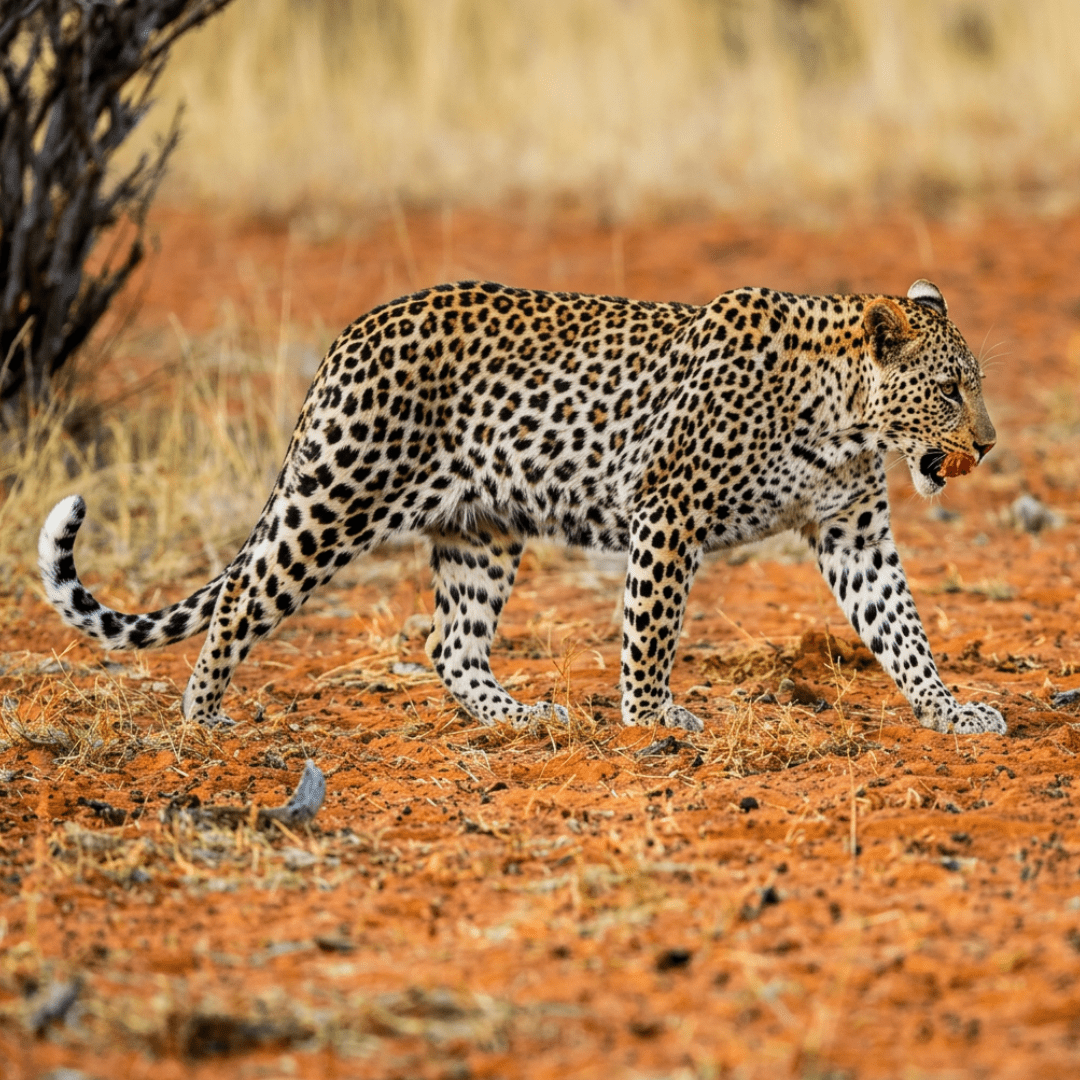
For classic wildlife viewing in Kruger National Park and the surrounding private reserves, the dry season from approximately May to September is generally considered the best time to travel.
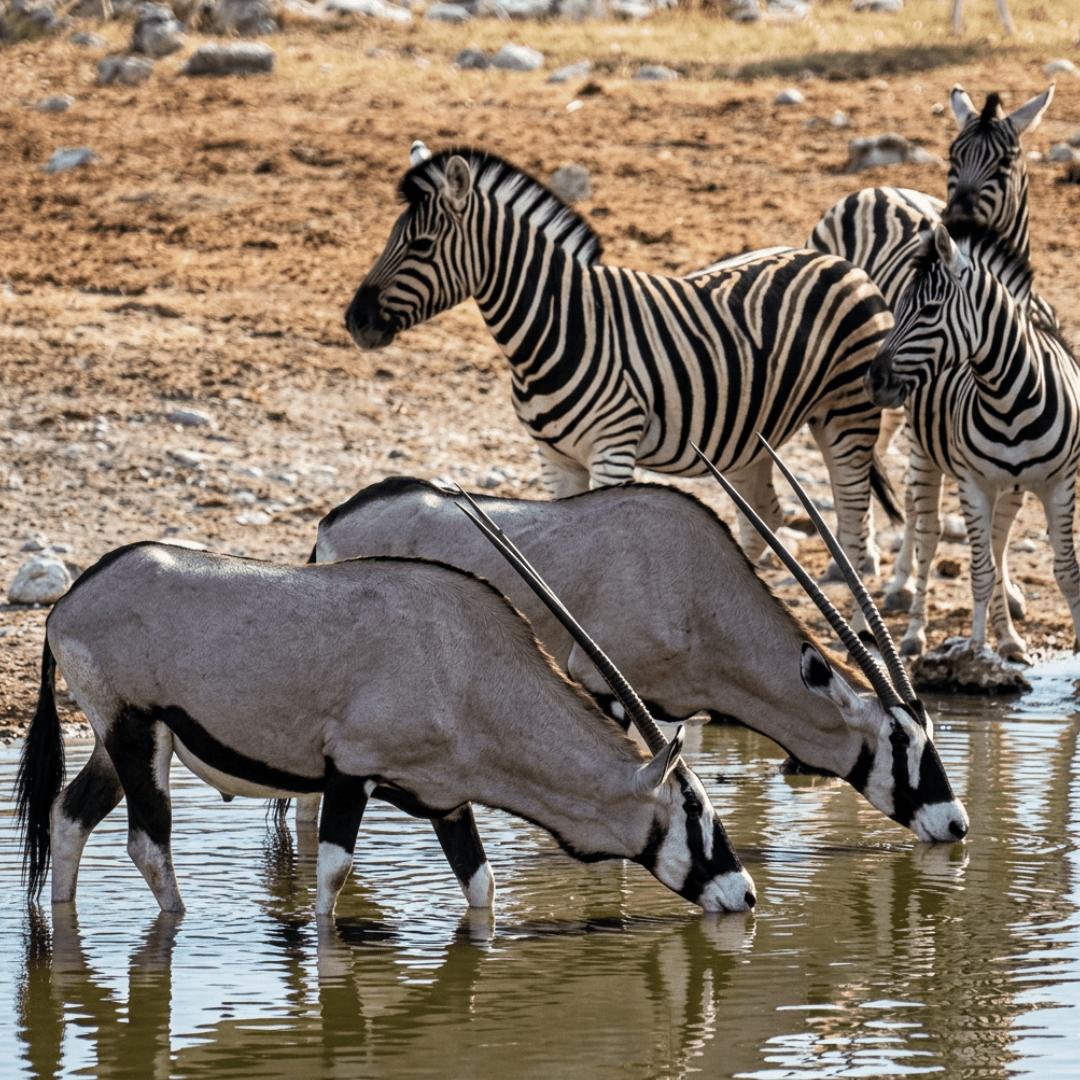
During these cooler months, vegetation becomes less dense and animals gather around rivers and permanent water sources. This can make elephants, buffalo, lions, leopards and other wildlife easier to locate.
However, there is no single “perfect” month for every traveller. November to March brings warm weather, green scenery, impressive birdlife and the possibility of seeing newborn animals. The shoulder months can offer a rewarding balance between comfortable weather, good sightings and fewer visitors.
South Africa is also a year-round destination. The ideal time depends on the regions you want to visit, your preferred activities, your budget and whether you are travelling as a couple, family or group.
Rehydrating
May to September: The Classic Dry Safari Season
The dry winter season is an excellent time to visit Kruger National Park, Sabi Sands, Timbavati and many of South Africa’s northern private game reserves.
Daytime temperatures are usually comfortable, although early morning and evening game drives can be cold. The reduced vegetation makes it easier to see wildlife, while animals frequently visit the remaining water sources.
This period is especially suited to first-time safari travellers and visitors hoping to see the Big Five. Photographers may also appreciate the softer winter light, clear skies and increased opportunities to observe animals in open areas.
July and August fall within the international holiday season, so sought-after lodges can fill quickly. Travellers considering a safari during these months should ideally begin planning well in advance, particularly when combining it with Cape Town or Victoria Falls.
Winter is also a good time to explore the Kruger National Park and Panorama Route, where a wildlife safari can be combined with spectacular viewpoints, waterfalls and the Blyde River Canyon.
October and November: Warmer Weather and Changing Landscapes
October and November mark the transition from the dry winter into the summer rainfall season across many northern safari destinations.
Temperatures begin to rise, the first rains may arrive and the bush gradually becomes greener. Wildlife viewing can still be excellent, especially early in the season when animals remain dependent on established water sources.
This is also an exciting time for birdwatchers, as migratory species begin returning to Southern Africa. The changing landscape, dramatic skies and fresh vegetation can create beautiful photographic conditions.
October can become extremely warm in some safari regions, so travellers who are sensitive to heat may prefer an earlier month. A knowledgeable safari specialist can recommend reserves and lodges that suit your personal comfort and travel style.
December to March: Green Season Safaris
South Africa’s summer safari season is sometimes overlooked, but it offers a completely different experience.
Rain transforms the northern bushveld into a lush, vibrant landscape. Many antelope species give birth during the warmer months, increasing the possibility of seeing young animals and interesting predator activity. Birdlife is particularly rewarding, with resident and migratory species displaying their full breeding plumage.
Rain usually arrives in the form of afternoon or evening showers rather than continuing all day, although weather patterns naturally vary. The thicker vegetation can make certain animals more challenging to spot, but experienced guides understand how to interpret tracks, calls and animal behaviour.
Summer is ideal for travellers who enjoy greenery, photography, birdwatching and the atmosphere of a living, changing landscape. It can also work particularly well when combining a safari with Cape Town, which enjoys warm, dry summer weather at this time of year.
April: A Rewarding Shoulder-Season Option
April is often an excellent but underappreciated month for a South African safari.
The heavy summer rains are usually easing, temperatures are becoming more comfortable and the landscape remains green. Birdlife is still abundant, while wildlife sightings can be rewarding as water sources slowly begin to recede.
Travelling during a shoulder season can also mean fewer visitors than during the busiest holiday periods. For travellers wanting attractive scenery without the most intense summer heat, April deserves serious consideration.
It is also a lovely time to combine a safari with Cape Town, the Winelands or the Garden Route.
The Best Time to Combine Cape Town and Safari
Cape Town’s seasons are almost the opposite of those in the northern safari areas. The city experiences warm, dry summers and cool, wetter winters.
For long sunny days, beaches, scenic drives and outdoor dining, November to March is usually the most popular time to visit Cape Town. These months also coincide with the green safari season in Kruger and the northern reserves.
The combination still works beautifully: travellers can enjoy Cape Town’s summer weather before flying north for a lush, wildlife-rich safari.
September, October, April and May can provide a particularly attractive balance. These shoulder months may offer pleasant Cape Town conditions alongside very good safari opportunities, depending on the region selected.
Whale-watching also adds another seasonal dimension. Southern right whales are generally present along sections of the Western Cape coastline between approximately June and November, making this an appealing period for combining marine and land-based wildlife experiences.
When Should You Visit the Garden Route?
The Garden Route can be visited throughout the year and combines naturally with Cape Town and the malaria-free reserves of the Eastern Cape.
The summer months are popular for beaches, outdoor activities and family holidays. Spring and autumn are often quieter and offer comfortable conditions for hiking, sightseeing and exploring towns such as Knysna and Plettenberg Bay.
Winter may bring cooler temperatures and rainfall, but there are still many clear days. The landscape remains beautiful, accommodation can be more readily available and the route feels less crowded.
A popular option is to begin in Cape Town, travel along the Garden Route and finish with a malaria-free Big Five safari in the Eastern Cape. African Welcome Safaris offers a Cape Town, Garden Route and Eastern Cape safari that brings these experiences together.
What Is the Best Safari Season for Families?
Families should consider more than weather when choosing their travel dates.
School holidays, malaria considerations, the ages of the children and lodge policies can all affect the decision. Some safari lodges offer family suites, children’s activities and specially designed junior ranger programmes, while others have minimum age restrictions for shared game drives.
Malaria-free destinations such as Madikwe and several Eastern Cape reserves are popular with families. These areas can be visited throughout the year and combine well with Cape Town or the Garden Route.
The South Africa family holiday provides inspiration for families wanting to combine city experiences, coastal scenery and an African safari.
Is the Most Expensive Season Always the Best?
Not necessarily. Peak travel periods often carry higher rates because demand is stronger, but the most expensive month is not automatically the best month for your particular holiday.
A passionate birdwatcher may prefer the green season. A photographer might choose winter for clearer sightings or summer for dramatic clouds and vibrant colours. Families may prioritise school holidays and malaria-free destinations, while honeymooners might prefer quieter lodges and fewer vehicles.
Shoulder-season travel can provide excellent value, pleasant weather and rewarding wildlife encounters. Your travel dates may also determine which combination of destinations offers the strongest overall experience.
How Long Should You Spend on Safari?
For a first South African safari, three or four nights at a good lodge is normally a comfortable starting point. This allows time for several morning and afternoon game drives without making the overall holiday feel rushed.
Travellers with a strong interest in wildlife may prefer five or six nights or may combine two different reserves. Each reserve has its own landscapes, wildlife populations, lodge atmosphere and style of guiding.
A South African holiday of approximately ten to fourteen days can comfortably include Cape Town, the Winelands or Garden Route and a dedicated safari experience. Longer itineraries may add Victoria Falls, Botswana, Mozambique or another Southern African destination.
Plan Your Safari Around What Matters to You
The best time to visit South Africa for a safari is ultimately the time that matches your interests.
Choose the dry winter season for classic game viewing and comfortable daytime temperatures. Consider summer for green landscapes, newborn animals and exceptional birdlife. Look at the shoulder seasons if you would like a balance of good weather, rewarding sightings and fewer visitors.
With so many regions, reserves and lodge styles available, online research can only take you so far. Local knowledge helps ensure that the season, destination and accommodation work together.
African Welcome Safaris has been creating personalised African holidays for more than 20 years. We live in Africa, have personally visited many of the properties we recommend and provide a dedicated travel consultant to guide you before, during and after your journey.
Explore our South Africa tours or contact African Welcome Safaris to begin planning a safari designed around your dates, interests and travel style.