
Night Safaris in Africa: Discovering the Magic of the Bush After Dark
An African safari is often associated with golden sunrises, open plains, elephants at waterholes and lions resting in the heat of the day. These are unforgettable moments. However, when the sun goes down, the bush changes completely.
The air cools. The sounds become sharper. The stars appear. Animals that were hidden during the day begin to move.
This is why night safaris in Africa are becoming such a fascinating part of the modern safari experience. For travellers who want something deeper, quieter and more mysterious, a night safari reveals a side of the wilderness that many visitors never see.
It is not only about spotting animals. It is about feeling the bush come alive after dark.
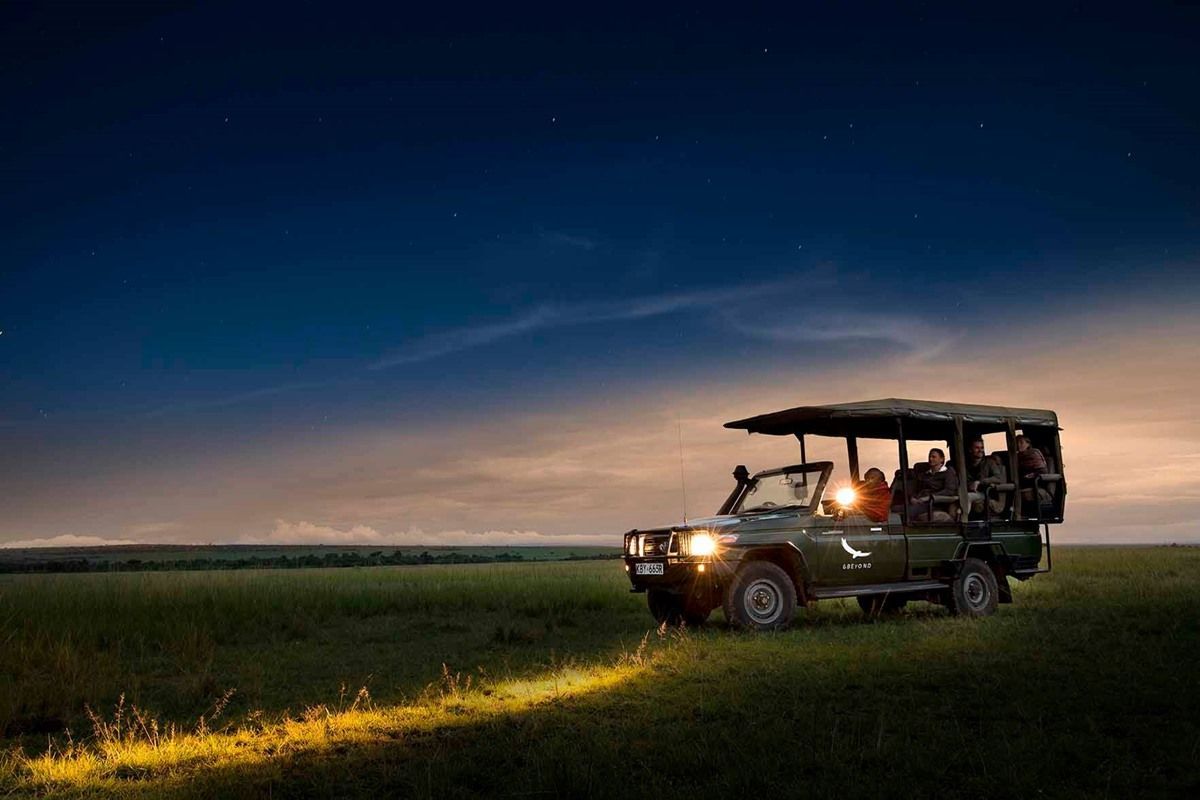
Bateleur Camp Night Drive
What Is a Night Safari?
A night safari is a guided wildlife experience that takes place after sunset.
Depending on the destination and reserve rules, this may be a night game drive, evening drive, guided stargazing experience or a combination of wildlife viewing and night photography.
Night safaris are usually led by experienced guides and trackers. They use careful spotlighting techniques to search for nocturnal animals while respecting the natural behaviour of wildlife.
Not all safari areas allow night drives. This is why choosing the right private reserve or concession is important when planning this type of experience.
When done responsibly, a night safari can be one of the most memorable parts of an African journey.
Why the Bush Feels Different After Dark
The African bush has a completely different personality at night.
During the day, the landscape is full of colour, light and movement. After sunset, the experience becomes more sensory. You listen more carefully. You notice small sounds. You become aware of the wind, insects, distant calls and the movement of animals in the darkness.
A night safari often feels more intimate than a daytime game drive. The vehicle moves slowly. The guide reads tracks, sounds and signs. The spotlight catches small details that would otherwise disappear into the night.
For many travellers, this is when the wilderness feels most alive.
Nocturnal Wildlife You May See
Many African animals are more active at night.
Predators such as lions, leopards and hyenas often become more alert after sunset. Smaller nocturnal species may also appear, including genets, civets, porcupines, bush babies, owls and various nightjars.
In some areas, lucky travellers may even see rarer animals such as aardvark, pangolin or serval. These sightings are never guaranteed, which is part of the excitement.
Night safaris remind us that nature does not follow a schedule. Every drive is different. Sometimes the magic lies in a dramatic predator sighting. At other times, it may be the simple beauty of an owl calling from a tree or a hare moving quietly through the grass.
This variety is what makes night drives so special.
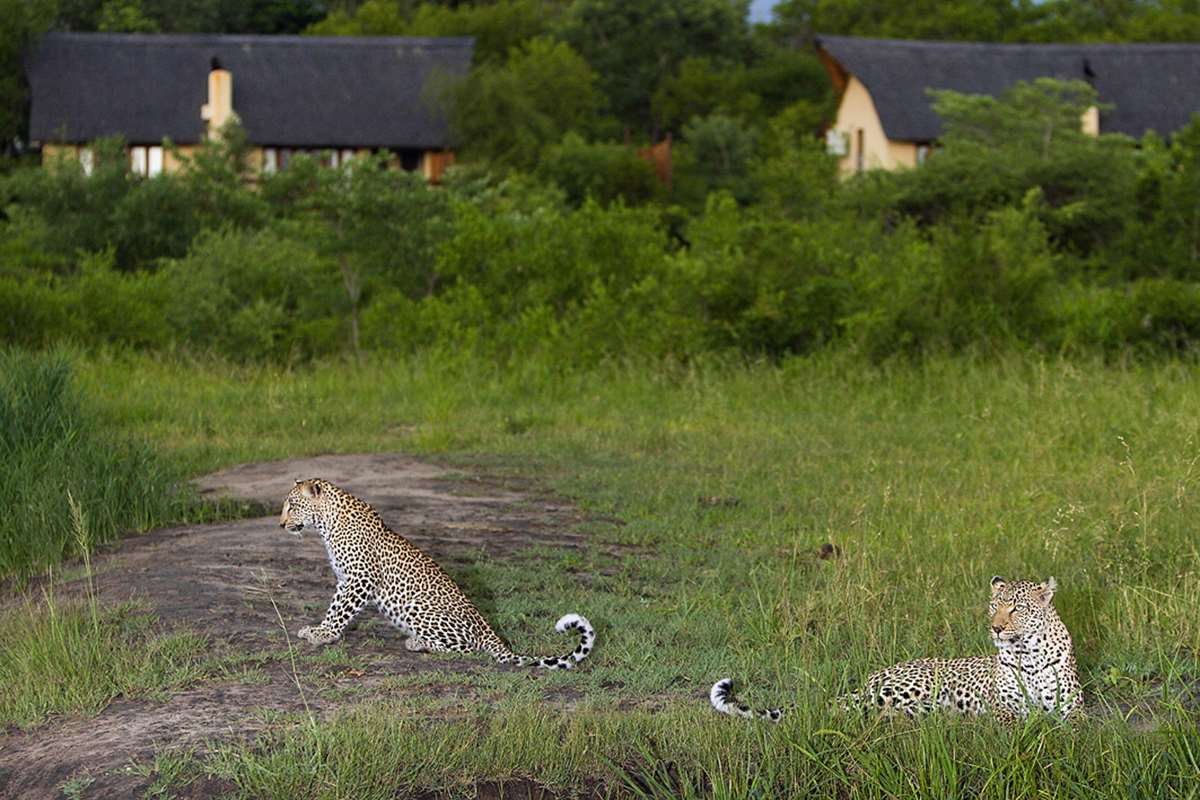
Leopards in front of a Lodge
Night Safaris and Big Cat Behaviour
One of the reasons travellers love night safaris is the chance to observe big cats when they are more active.
Lions often rest during the heat of the day. As evening arrives, they may begin to move, call, hunt or interact with the pride. Leopards, known for their secretive behaviour, may also become easier to find after dark as they patrol territories or move through wooded areas.
Seeing these animals at night can feel very different from seeing them during the day.
The experience is quieter, more focused and often more dramatic. However, ethical guiding is essential. Good guides keep a respectful distance and avoid disturbing animals during sensitive behaviour.
A responsible night safari is always about observation, not interference.
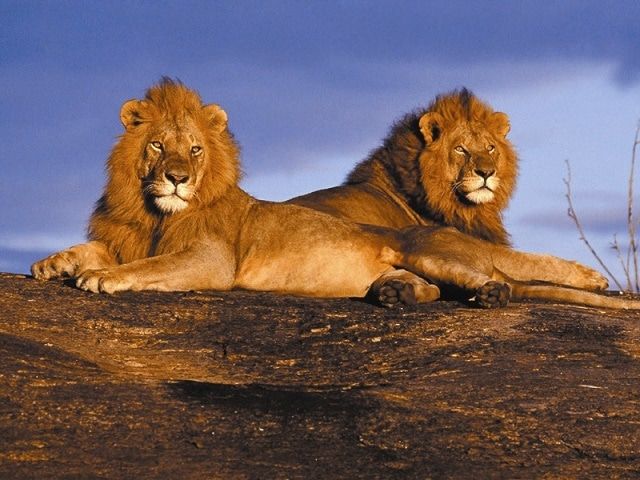
African Lions – Maasai Mara
Stargazing in the African Wilderness
Night safaris are not only about animals.
In remote safari areas, the night sky can be breathtaking. Far from city lights, the stars feel close and incredibly clear. On a cloudless evening, the Milky Way may stretch across the sky in a way that many travellers have never seen before.
Destinations such as Namibia, Botswana and parts of South Africa are especially known for wide skies and low light pollution.
For some travellers, the quiet moment of standing under a brilliant African sky becomes just as memorable as the wildlife sightings.
This is one of the reasons night safari experiences are so powerful. They connect you not only to wildlife, but also to the vastness of the natural world.
Best Destinations for Night Safaris in Africa
Night safari opportunities depend on local rules, lodge location and reserve type. Private reserves and private concessions often offer more flexibility than public national parks.
South Africa
South Africa is one of the best places to include a night safari, especially in private reserves around the Greater Kruger area.
Many lodges offer afternoon game drives that continue after sunset, giving travellers the chance to experience both golden-hour wildlife viewing and the start of nocturnal activity.
This makes South Africa a strong choice for first-time safari travellers who want a well-rounded Big Five experience.
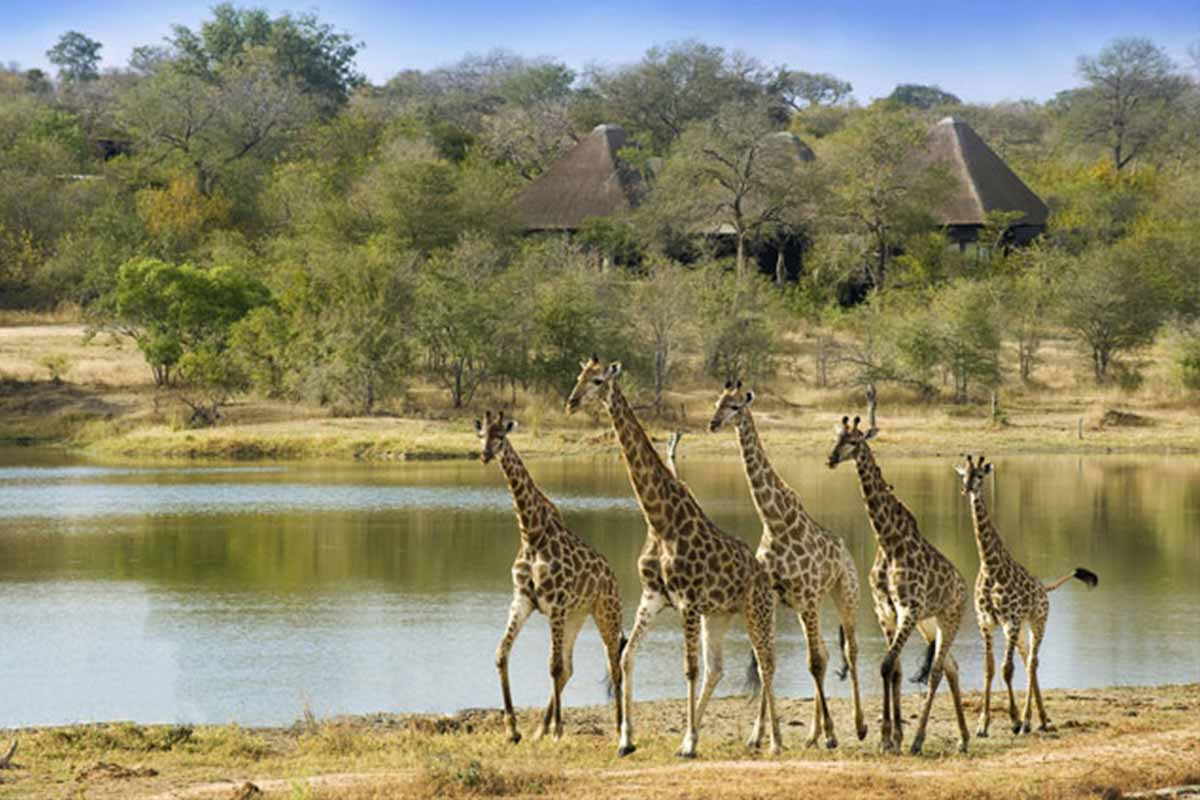
Kruger National Park
Botswana
Botswana’s private concessions can offer outstanding night safari opportunities.
The Okavango Delta, Moremi region and other wilderness areas provide a rich mix of habitats. Depending on the camp and concession, travellers may enjoy night drives, mokoro excursions, boat safaris and walking safaris.
The sense of remoteness makes the night experience especially powerful.
Namibia
Namibia offers a very different kind of night safari magic.
While traditional night drives may depend on the lodge and location, Namibia is exceptional for stargazing, desert silence and nocturnal desert life. The clear skies, open landscapes and dramatic scenery create a remarkable after-dark experience.
For photographers and nature lovers, Namibia can be unforgettable.

Namibian Desert
Zimbabwe, Kenya and Tanzania
Zimbabwe, Kenya and Tanzania also offer selected night safari experiences, particularly in private concessions or conservancies. These areas can provide excellent guiding, strong wildlife viewing and a more flexible approach than some public park settings.
The key is to plan carefully and choose lodges where night activities are permitted and responsibly managed.
Is a Night Safari Suitable for Families?
Night safaris can be wonderful for families, but they should be planned carefully.
Some lodges have age restrictions for evening or night drives. Younger children may also become tired after a full day of travel and wildlife viewing. However, for older children and teenagers, a night safari can be exciting, educational and memorable.
It offers a completely different way to learn about animal behaviour, tracking and the natural world.
Families should choose lodges that understand children’s needs and offer flexible safari arrangements. A private vehicle can be especially useful, as it allows the guide to adapt the pace and duration of the drive.
Night Photography on Safari
For photographers, night safaris offer a creative challenge.
Low light, moving animals and spotlight conditions can make photography more difficult. However, the rewards can be extraordinary. A leopard in soft evening light, an owl on a branch or a silhouette beneath the stars can create powerful images.
Good preparation helps. Travellers interested in photography should discuss this when planning their safari. This allows the itinerary to include lodges and reserves that are better suited to photographic experiences.
A private guide or private vehicle can also make a big difference, as it provides more time and flexibility.
Responsible Night Safari Travel
Night safaris must always be handled with care.
Wildlife should never be chased, crowded or disturbed. Spotlights should be used responsibly, and guides should follow ethical practices. The goal is to observe nature respectfully, not to force sightings.
Choosing responsible safari operators is essential.
Well-managed lodges understand that the long-term protection of wildlife is more important than any single sighting. They train guides carefully and place conservation at the heart of the guest experience.
This is what makes a night safari meaningful. It offers access to a hidden world while still respecting the animals that live there.
How to Add a Night Safari to Your African Journey
If a night safari is important to you, it should be included from the start of the planning process.
Not every lodge or park offers night drives, so your itinerary needs to be designed with this in mind. The right safari specialist can recommend destinations, reserves and lodges where after-dark experiences are possible, safe and responsibly guided.
A night safari can work beautifully as part of a South Africa, Botswana, Namibia, Zimbabwe, Kenya or Tanzania itinerary. It can also be combined with Cape Town, Victoria Falls, the Cape Winelands or a beach escape for a more complete African holiday.
The Magic of Africa After Sunset
A night safari reminds travellers that the wilderness never sleeps.
While the daytime safari is filled with colour and wide-open views, the night safari is about atmosphere, sound and mystery. It invites you to slow down, listen carefully and experience Africa in a completely different way.
From nocturnal wildlife and big cat behaviour to stargazing and quiet moments under the African sky, night safaris add depth to any journey.
For travellers looking for something memorable, meaningful and slightly different, this is one of Africa’s most rewarding safari experiences.
Let African Welcome Safaris design your tailor-made African journey, including carefully selected night safari experiences where the magic of the bush continues after dark.

Hemingways – Nairobi

